

-

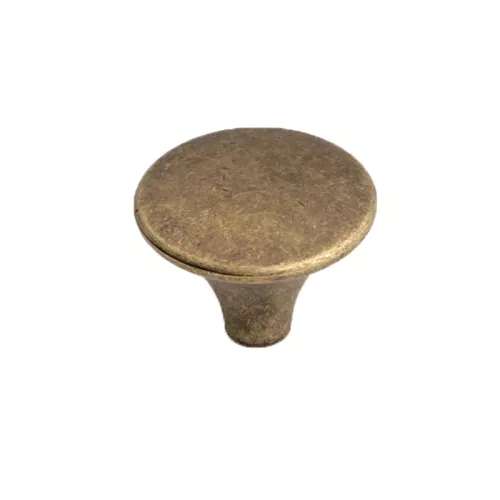
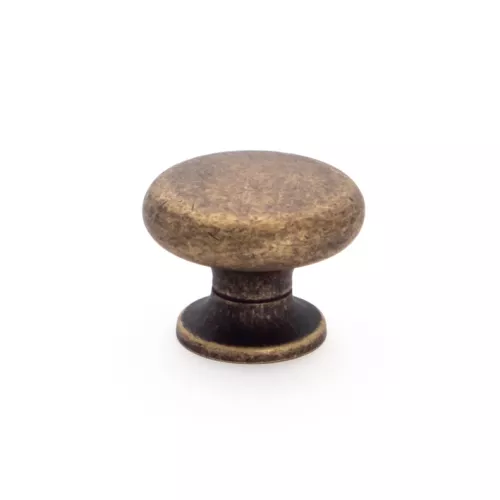
Kitchen Knob Mushroom – Antique
A classic antique-finish metal kitchen knob for cabinet doors. Made of metal. An M4 screw is included. Enter the thickness of your cabinet door or drawer front above and we will adapt the screw length accordingly.
8731-35-13
95 kr / pc.Add to favorites- Stock status
- In stock
-
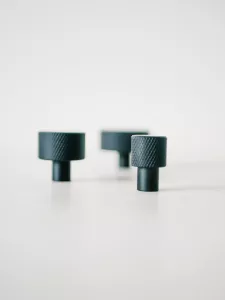
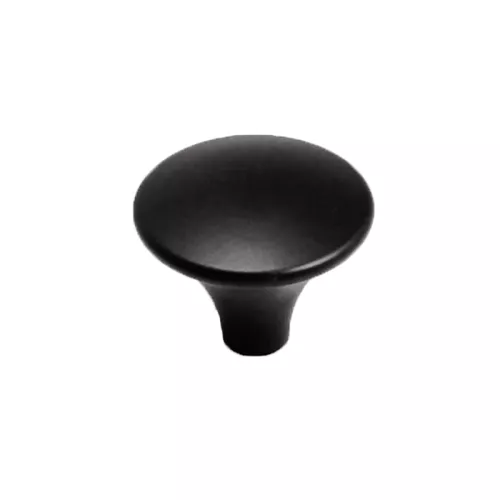
Kitchen Knob Mushroom – Black
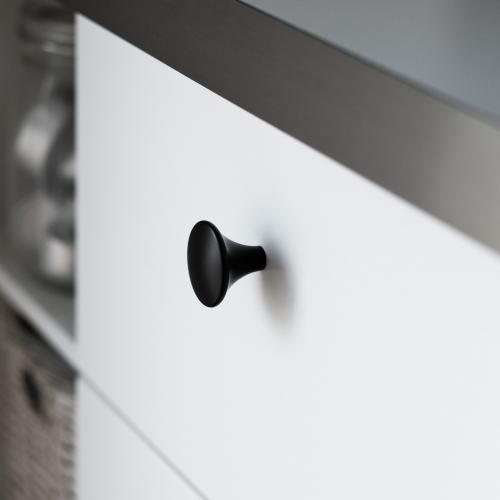
The Mushroom cabinet knob is a timeless classic with a matte black finish that suits both modern and traditional interiors. Its rounded shape offers a comfortable grip while adding a bold, elegant detail to kitchen cabinets, drawers, wardrobes.
8731-35-25
89 kr / pc.Add to favorites- Stock status
- In stock
-
Kitchen Knob Mushroom – Black Antique
A classic antique-finish metal kitchen knob for cabinet doors. Made of metal. An M4 screw is included. Enter the thickness of your cabinet door or drawer front above and we will adapt the screw length accordingly.
8731-35-16
89 kr / pc.Add to favorites- Stock status
- In stock
-
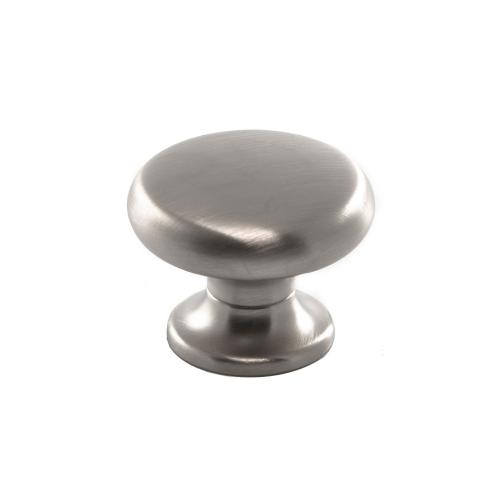
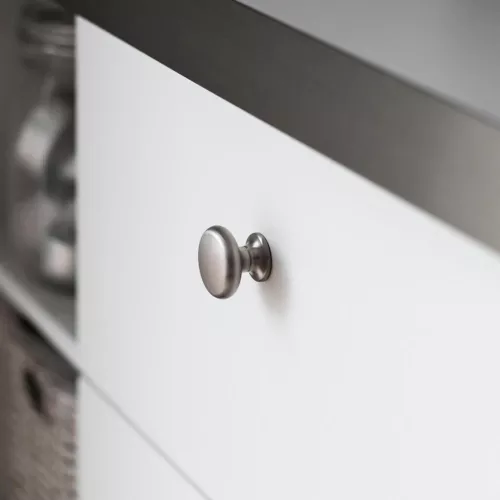
Kitchen knob Mushroom – Brushed Nickel
The Mushroom cabinet knob is a timeless classic with a brushed nickel finish that complements both modern and traditional interiors. Its rounded shape offers a comfortable grip while adding a clean, elegant detail to kitchen cabinets, drawers, wardrobes.
8731-35-06
89 kr / pc.Add to favorites- Stock status
- In stock
-
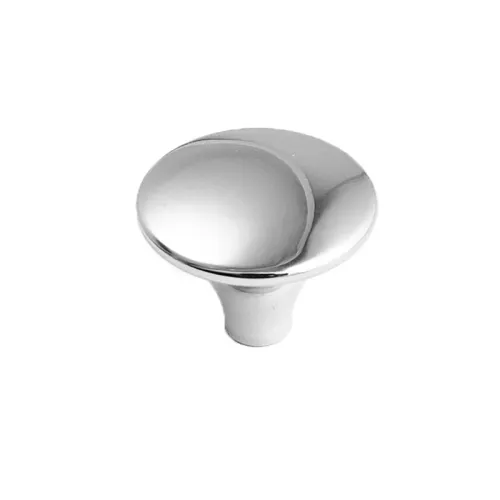
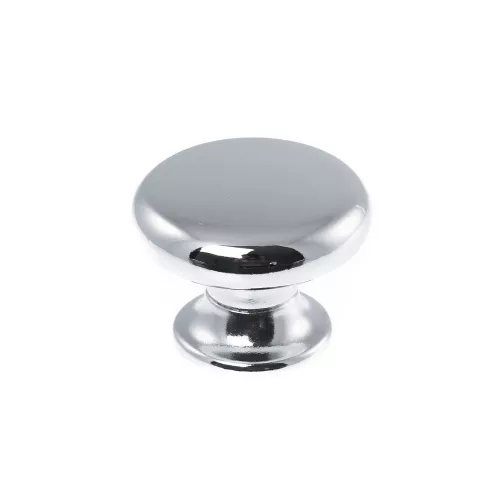
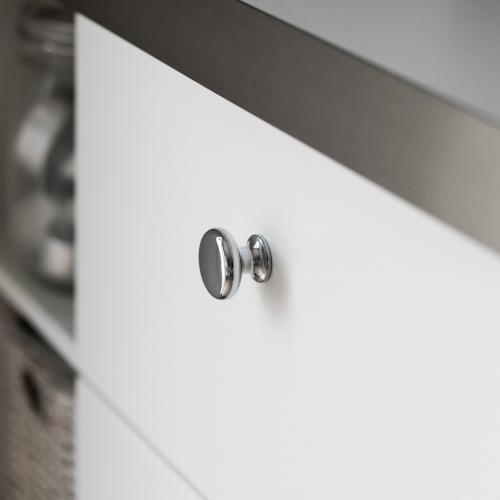
Kitchen knob Mushroom – Chrome
The Mushroom cabinet knob is a timeless classic with a polished chrome finish that complements both modern and traditional interiors. Its rounded shape provides a comfortable grip while adding a clean, elegant detail to kitchen cabinets, drawers, wardrobes.
8731-35-09
89 kr / pc.Add to favorites- Stock status
- In stock
-
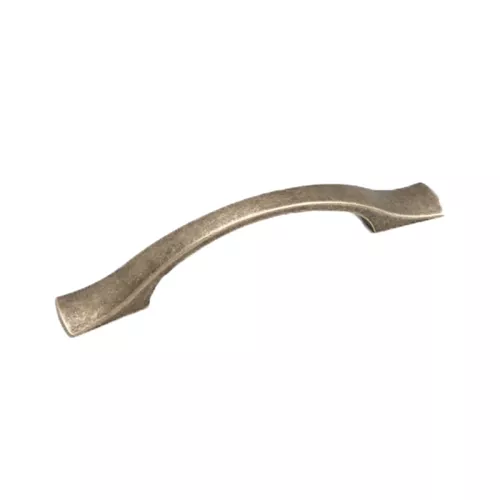
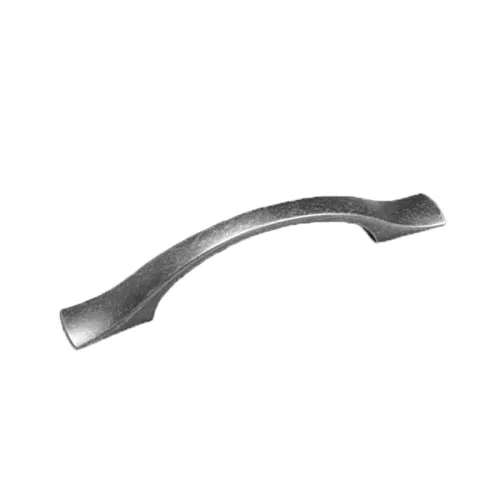
Handle Roxen – Antique
Roxen is a Scandinavian-style kitchen handle with an antique-coloured finish, a softly curved grip and wide feet. Its easy-to-grip design suits modern cabinet doors and drawers.
7150-96-13
89 kr / pc.Add to favorites- Stock status
- In stock
-
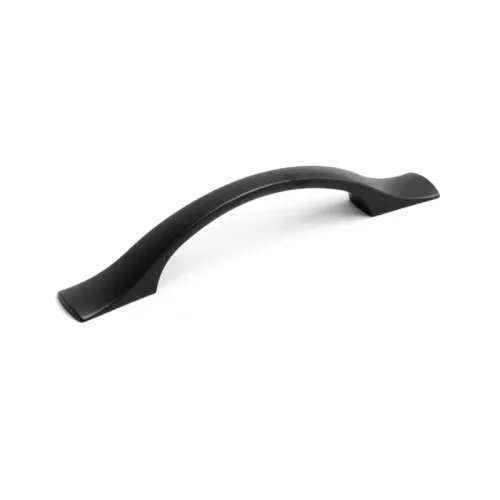
Handle Roxen – Black
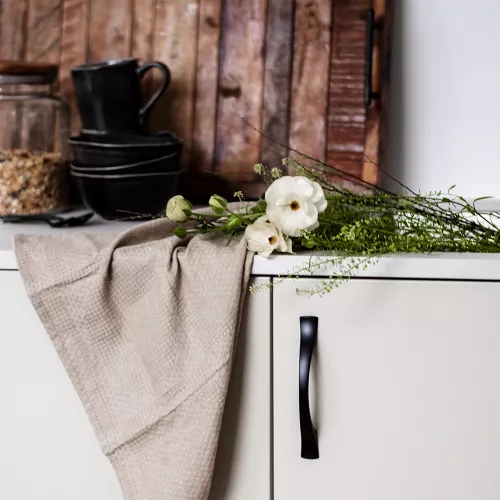
The Roxen cabinet handle combines Scandinavian simplicity with a matte black finish, a softly curved grip and wide mounting feet. Its ergonomic design provides a comfortable grip while adding a sleek, contemporary touch to kitchen cabinets, drawers, wardrobes.
7150-96-25
89 kr / pc.Add to favorites- Stock status
- In stock
-
Handle Roxen – Black Antique
Scandinavian-style kitchen handle with a soft curved grip, wide feet and an antique-coloured finish. Its balanced shape suits modern kitchens and is easy to grip on cabinet doors and drawers.
7150-96-16
89 kr / pc.Add to favorites- Stock status
- In stock
-
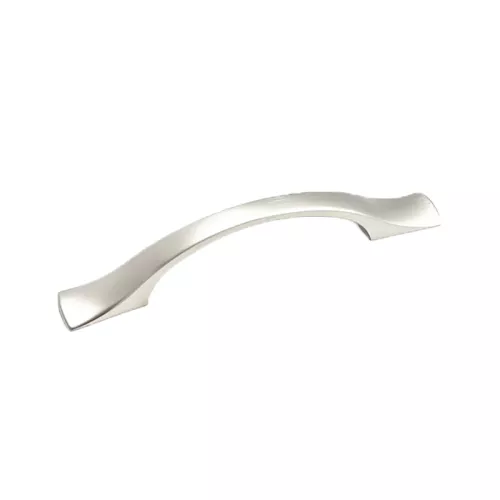
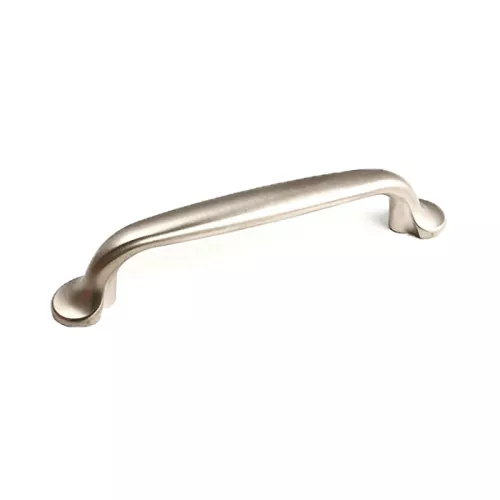
Handle Roxen – Brushed Nickel
Roxen is a Scandinavian-style kitchen handle with a nickel finish, a softly curved grip and wide feet. Its easy-to-grip design suits modern cabinet doors and drawers.
7150-96-06
89 kr / pc.Add to favorites- Stock status
- In stock
-
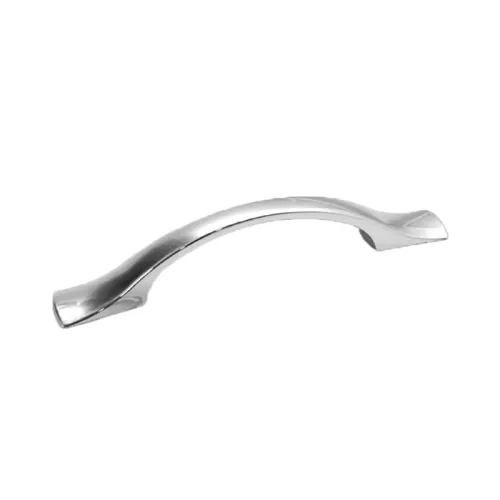
Handle Roxen – Chrome
The Roxen cabinet handle combines Scandinavian simplicity with a polished chrome finish, a softly curved grip and wide mounting feet. Its ergonomic design provides a comfortable grip while adding a clean, contemporary touch to kitchen cabinets, drawers, wardrobes.
7150-96-09
89 kr / pc.Add to favorites- Stock status
- In stock
-
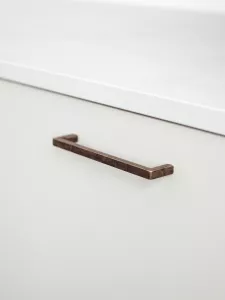
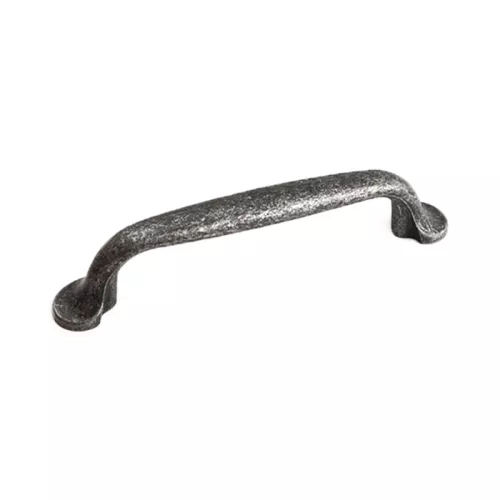
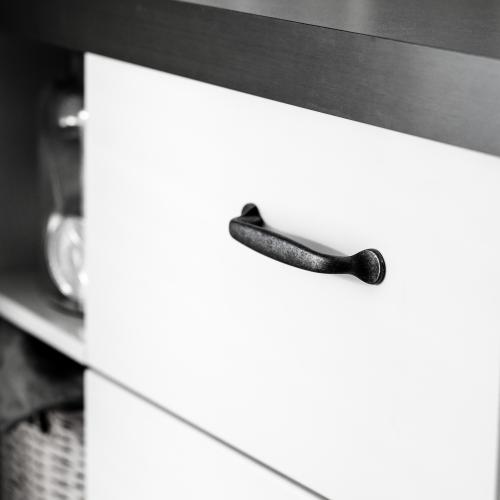
Cabinet handle Dom Rustic iron
A nice handle in rustic iron with a stylish design and round feet. The grip here is softly shaped with a slightly wider middle.
7032-96-85
89 kr / pc.Add to favorites- Stock status
- 2-4 weeks
-
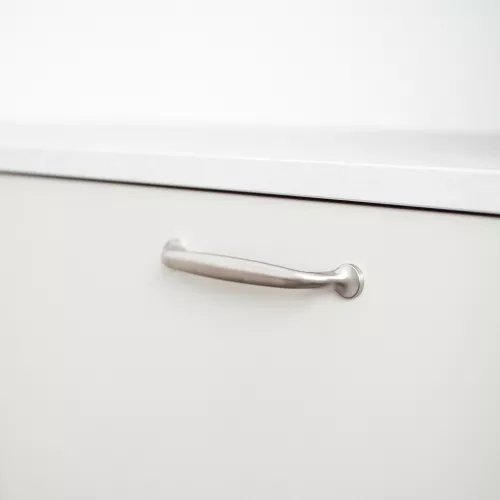
Cabinet handle Dom – Nickel
A nice handle in nickel with a stylish design and round feet. The grip here is softly shaped with a slightly wider middle.
7032-96-06
89 kr / pc.Add to favorites- Stock status
- In stock
-
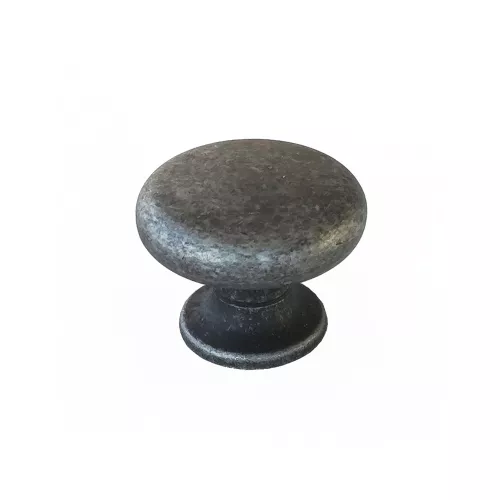
Knob Stinsen Rustic Iron
Metal knob suitable for kitchen cabinets, bathroom furniture and hallway furniture. Made of metal. An M4 screw is included. Enter the thickness of your cabinet door or drawer front above and we will adapt the screw length accordingly.
8702-30-85
79 kr / pc.Add to favorites- Stock status
- In stock
-
Knob Stinsen – Antique
Kitchen knob Stinsen in classic modern design and antique finish for rustic and cozy kitchens. Made of metal. M4 screw is always included in orders.
8702-30-13
79 kr / pc.Add to favorites- Stock status
- In stock
-
Knob Stinsen – Brushed Nickel
The Stinsen cabinet knob combines timeless design with a brushed nickel finish, making it a stylish choice for both modern and traditional interiors.
8702-30-06
79 kr / pc.Add to favorites- Stock status
- 2-4 weeks
-
Knob Stinsen – Chrome
Metal knob suitable for kitchen cabinets, bathroom furniture and hallway furniture. Made of metal. An M4 screw is included. Enter the thickness of your cabinet door or drawer front above and we will adapt the screw length accordingly.
8702-30-09
79 kr / pc.Add to favorites- Stock status
- In stock
Considered shapes that give cabinetry character
Classic kitchen style is built around well-balanced proportions and details that belong together. Framed cabinet doors, mouldings and substantial materials give the room structure, while handles add function and personality. The overall effect can be light and elegant or deeper and more enveloping. What connects these approaches is attention to form, from the cabinet layout to the small grip in your hand.
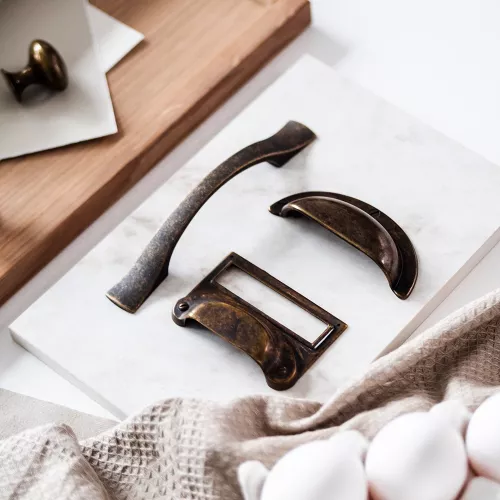
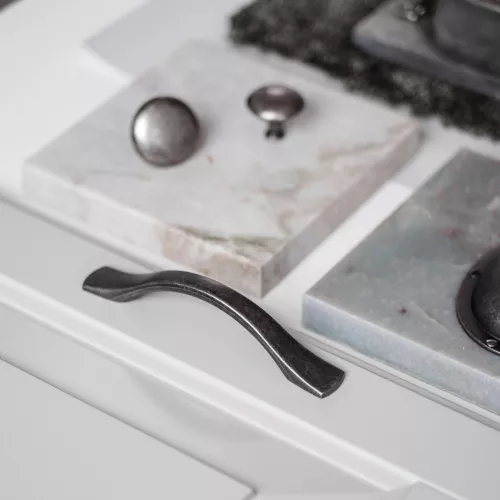
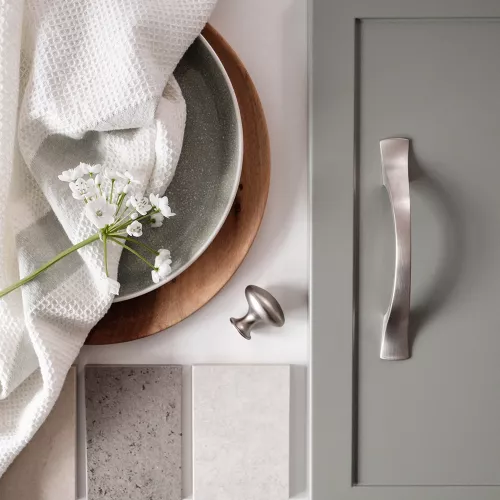
Off-white, warm grey and muted colours make a calm starting point. Timber adds warmth, and gently veined stone gives depth. Against these surfaces, the finish of the hardware has a noticeable effect. A polished detail catches light; a darker rustic surface adds visual weight. Decide which feeling should lead, then let the fittings support it throughout the kitchen.
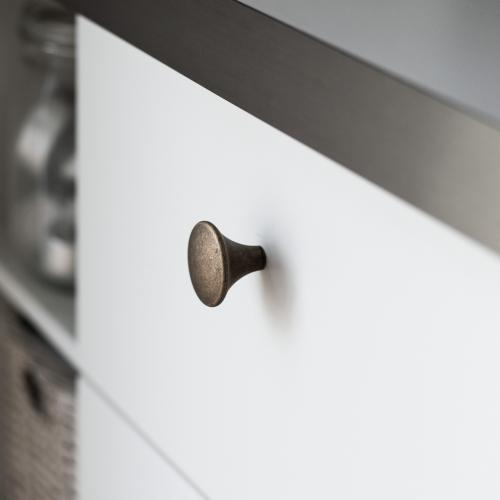
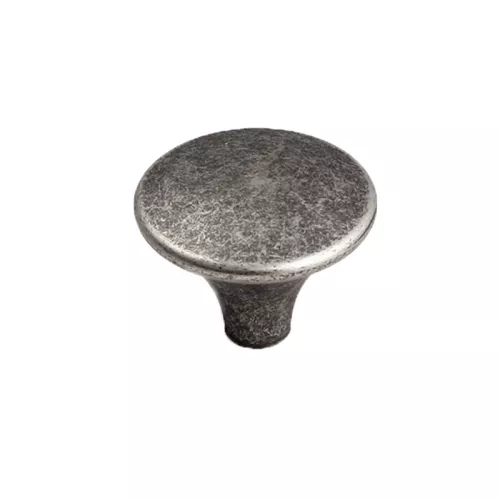
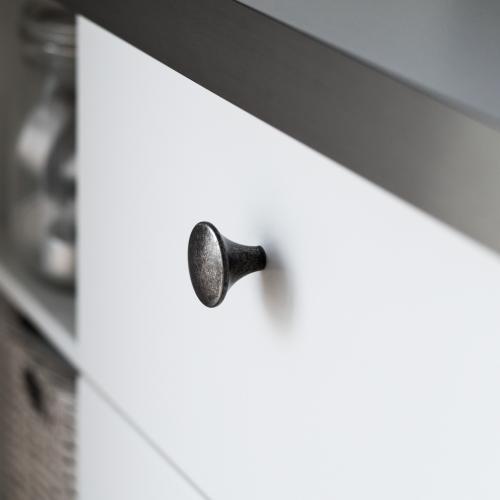
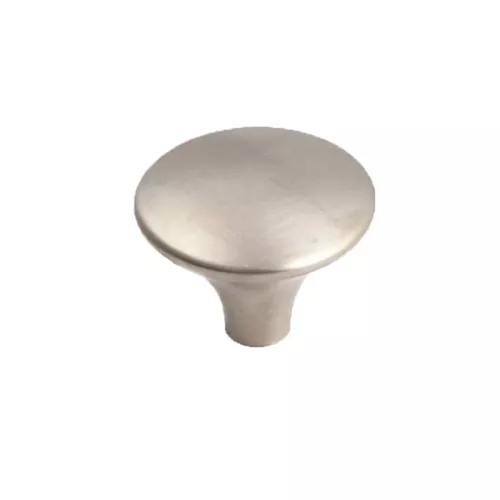
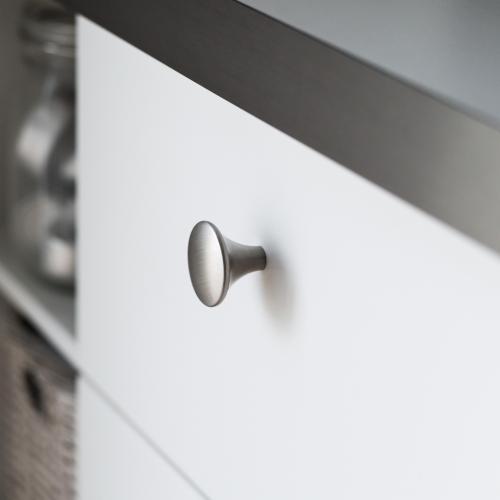
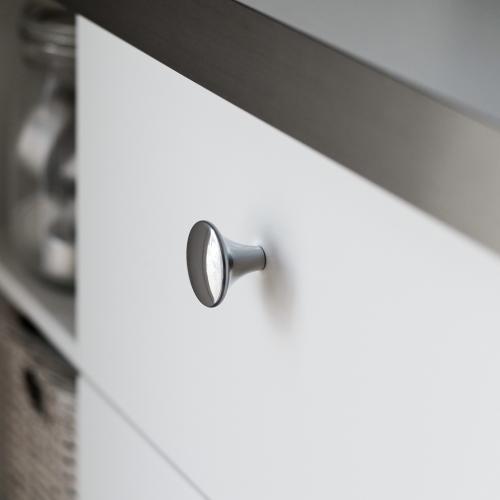
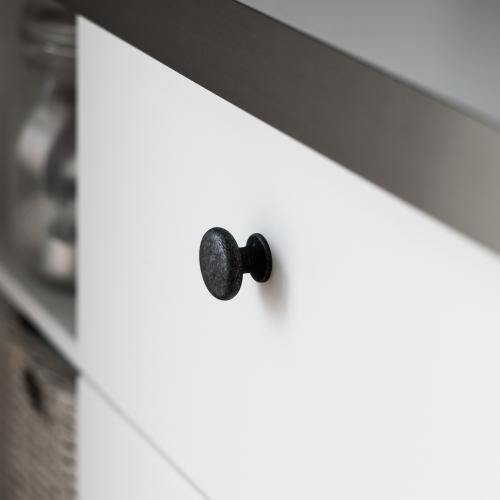
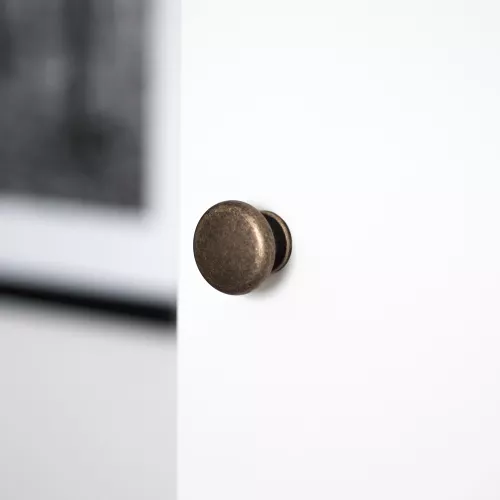
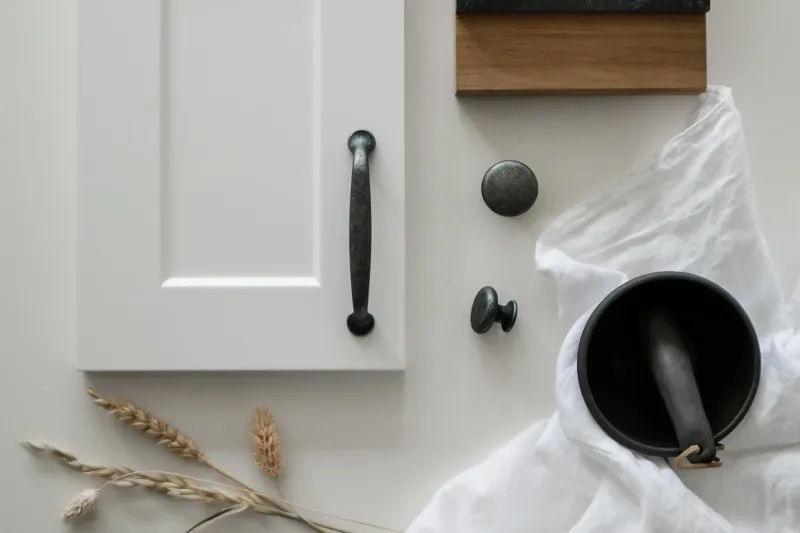
The Stinsen knob in a rustic iron finish shows how a small detail can carry a classic expression. Its round shape, flat top and distinct base create a familiar silhouette. The black and silver appearance stands out against a pale front and works comfortably alongside wood. On smaller doors, the knob becomes a focused detail that leaves the frame visible.
Try knobs on cupboard doors and handles on wider drawers. Related finishes and shapes allow variety without making the scheme feel disjointed. A gently curved handle can echo a round knob, while a straighter design brings a more restrained note. Look at the combination beside the door frame so that each element has enough space around it.
Positioning matters as much as the fitting itself. Repeated heights create order, and a considered relationship with the frame makes the front feel balanced. Test possible positions with an appropriate temporary marking method before drilling. View the cabinets from different angles and try the opening movement. Replacement hardware also needs to fit the holes already in your fronts.
A few personal objects soften a classic scheme. Everyday crockery, linen and a wooden chopping board bring life to the orderly foundation. Let materials show without asking every detail to become a focal point. Matching or related hardware can connect the kitchen cabinets with a freestanding sideboard or another piece of storage in the room.
Finally, consider everyday comfort. Check finger clearance and choose screws suited to the thickness of the front. Compare two sizes against the door if the proportions are uncertain. A thoughtful classic kitchen comes from these small decisions: shapes that feel pleasant to use and details that keep the whole room connected over time.