

-

Ekeby Wooden Cabinet Handle – Oak
Ekeby cabinet handle in solid oak with a softly rounded profile and natural finish. Suitable for kitchens, wardrobes and furniture.
1033-128-44
169 kr / pc.Add to favorites- Stock status
- In stock
-
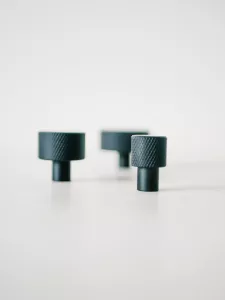
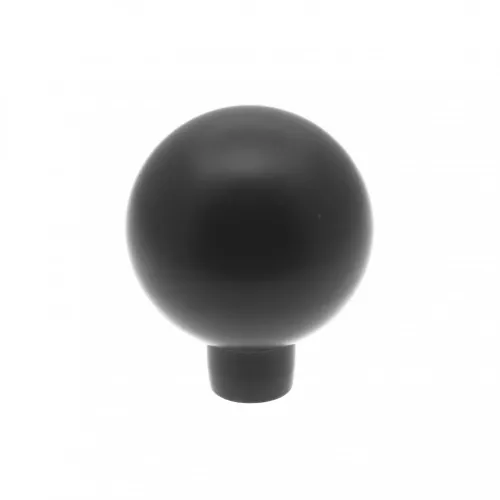
Knob Bona – Black
A round, minimalist knob in black metal. Made of metal. An M4 screw is included. Enter the thickness of your cabinet door or drawer front above and we will adapt the screw length accordingly.
8322-28-25
89 kr / pc.Add to favorites- Stock status
- In stock
-
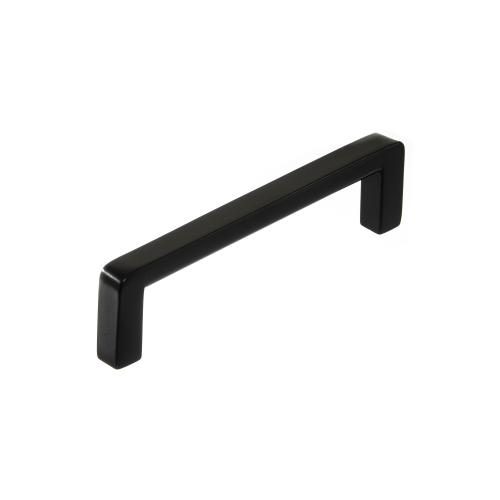
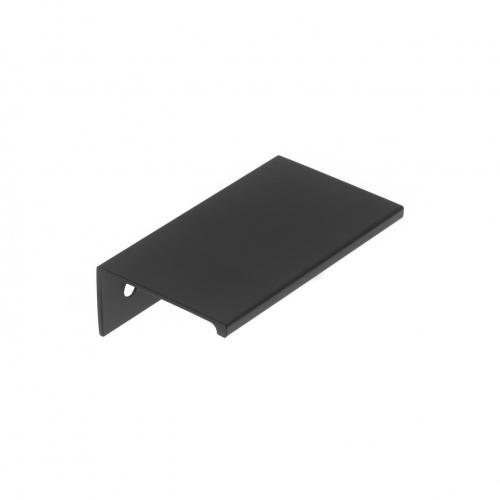
Linfalk Cabinet Handle – Black
Linfalk cabinet handle in black with a straight profile and rounded underside for a comfortable grip. Suitable for kitchens, wardrobes and furniture.
6200-96-25
45 kr / pc.Add to favorites- Stock status
- In stock
-
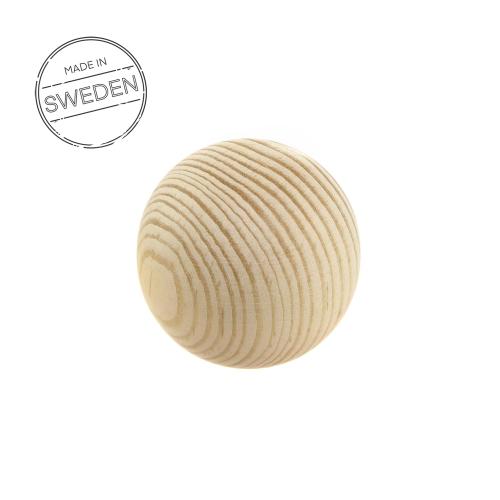
Wood Knob Ball Pine wood
This wooden knob has a clean and stylish design and is made of pine. Suitable for both kitchen, hall and bathroom!
8144-30-40
45 kr / pc.Add to favorites- Stock status
- In stock
-
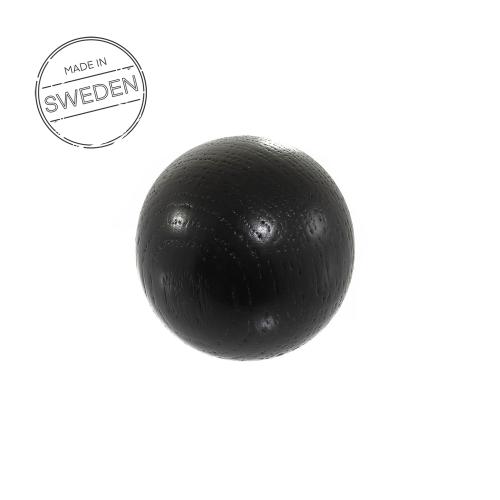
Wood Knob Ball – Black Oak
This wooden knob has a clean and stylish design and is made of oak. Suitable for both kitchen, hall and bathroom!
8144-40-25
95 kr / pc.Add to favorites- Stock status
- In stock
-
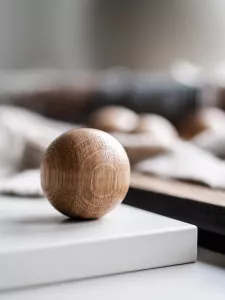
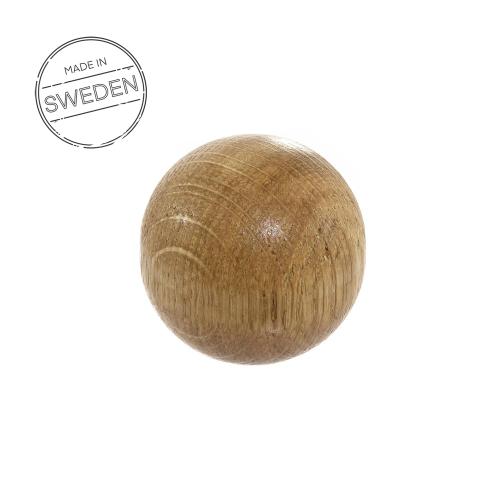
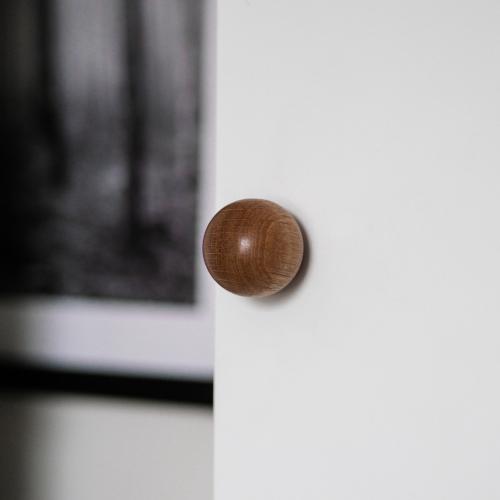
Wood Knob Ball – Oak
Ball is a sleek, simple, and spherical wooden knob made from clear-lacquered oak. This knob provides a good grip on cabinets or drawers and has a modern design that suits most styles in both kitchens and bathrooms, as.
8144-30-44
49 kr / pc.Add to favorites- Stock status
- In stock
-
Profile handle Black 70mm
Modern profile handle that is mounted behind the door over the edge of the door / front. The handle has an angular shape that gives a nice silhouette and at the same time is very grip-friendly and stylish.
2446-48-25
69 kr / pc.Add to favorites- Stock status
- In stock
-
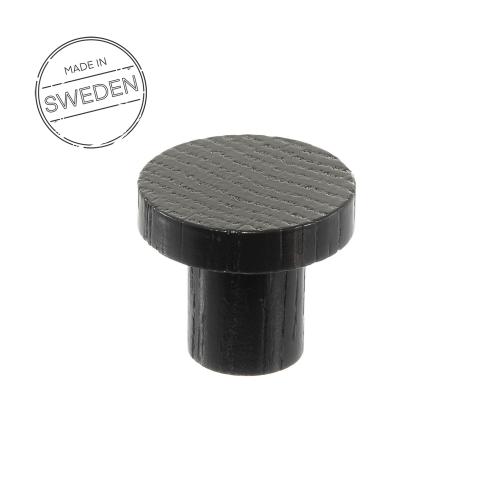
Wood Knob Black Oak Yumi
This wooden knob has a clean and stylish design and is made of oak. Suitable for both kitchen, hall and bathroom!
1079-33-25
105 kr / pc.Add to favorites- Stock status
- In stock
-
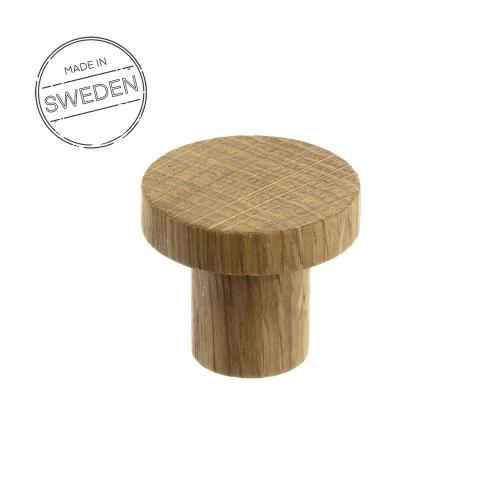
Wood Knob Oak Yumi
This wooden knob has a clean and stylish design and is made of oak. Suitable for both kitchen, hall and bathroom!
1079-33-44
99 kr / pc.Add to favorites- Stock status
- In stock


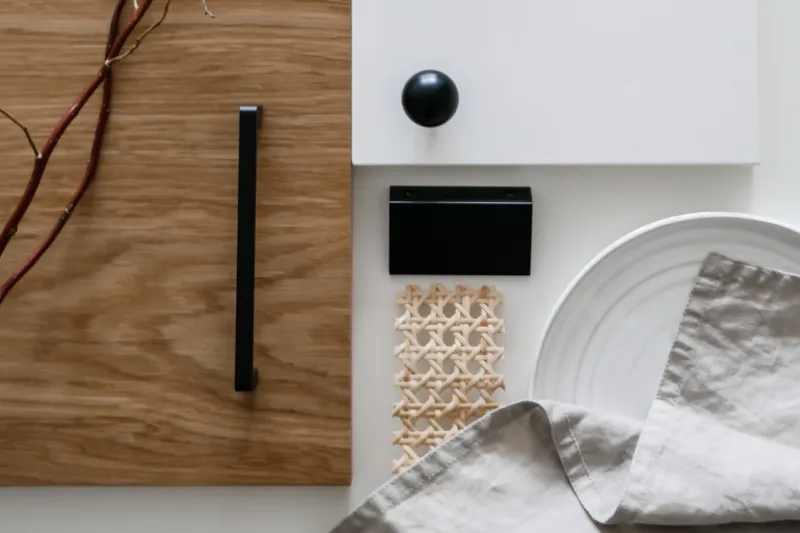
Natural textures and quietly defined lines
Japandi brings Japanese simplicity together with Scandinavian warmth. In the kitchen, that combination is expressed through attention to materials, function and proportion. Timber grain, the uneven surface of a handmade bowl and the soft drape of linen all contribute to the experience. The room feels calm without feeling empty, and individual objects have space to be appreciated.
Oat, warm grey, sand and muted earthy shades form a gentle palette. Light timber keeps the kitchen airy, while deeper wood tones add depth. A few black details can frame the composition. The balance between pale surfaces and darker accents gives the room definition, without letting contrast become the main feature of the scheme.
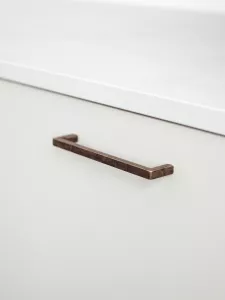
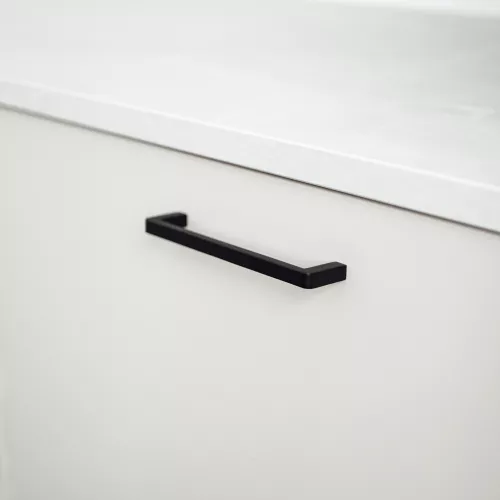
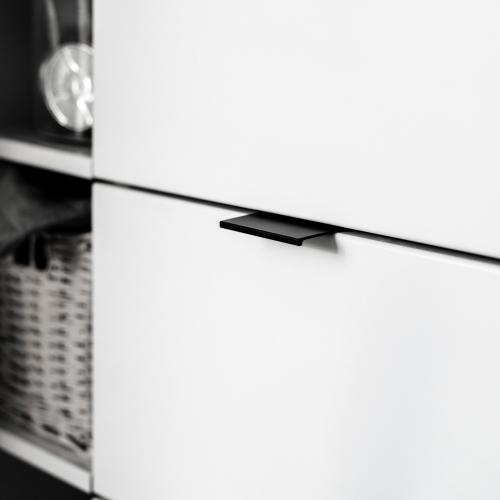
The black metal Linfalk handle suits this approach. Its straight shape draws a clear line against a timber front, while the rounded underside softens the grip. Against a pale cabinet door it becomes a restrained graphic detail. Let the direction follow the proportions of the cabinet, and repeat the positioning to create a coherent rhythm.
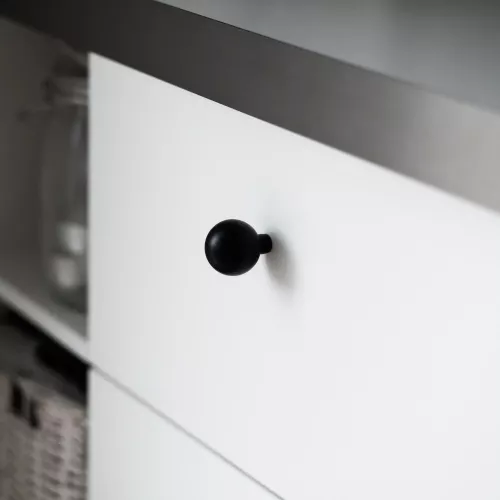
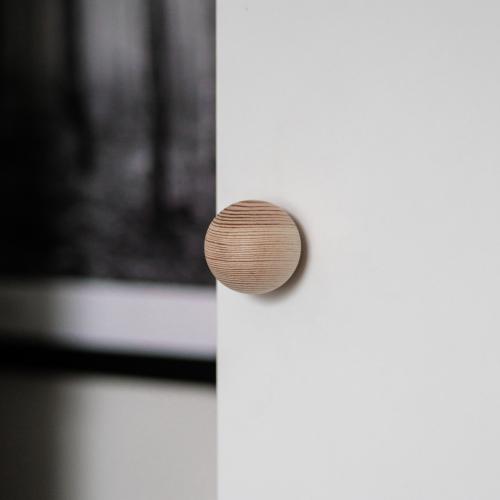
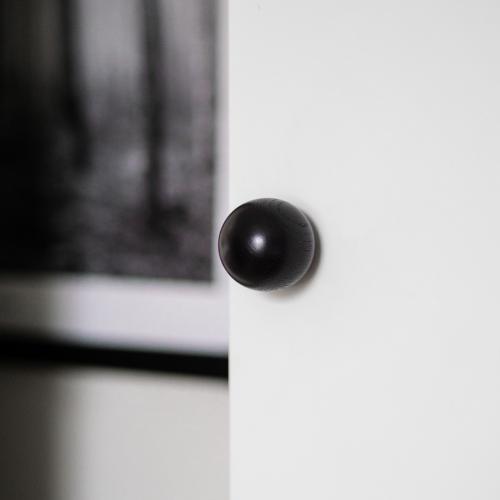
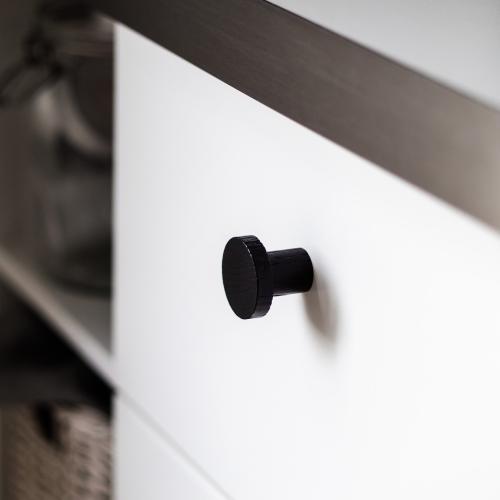
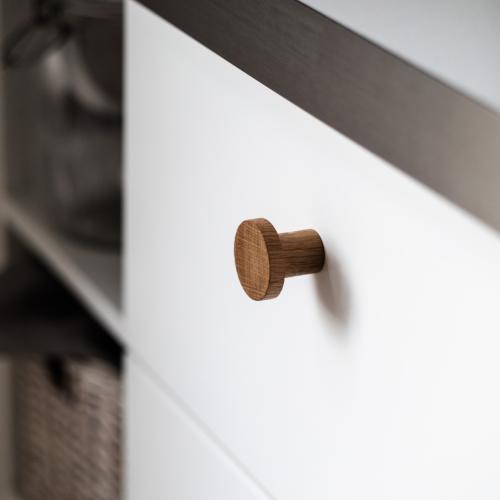
A simple round knob can balance the length of handles on smaller doors. Related colours and surface finishes keep the combination quiet. Before drilling, compare different positions on a sample or use a suitable temporary marking method. A small shift towards the edge can alter the appearance of a front more than expected, as well as changing how it feels to open.
Texture is central to the look. Rattan, timber, matt ceramics and woven fabrics make clean forms feel approachable. Choose a main wood tone that appears in several places, with other materials supporting it. Handles should help define the cabinetry while leaving room for the natural variations in the grain. A little irregularity gives the room life.
A considered Japandi kitchen must also work comfortably every day. Check the handle length, finger clearance and existing hole centres before replacing fittings. Try the grip with the weight of a drawer in mind, and make sure open doors will not strike nearby fronts. These practical decisions support the sense of ease just as much as the colours do.
Choose a few objects that can be seen properly: a branch in a vase, stacked bowls or a wooden tray may be enough. Compare your samples in the changing light of the room. When black hardware, gentle natural shades and timber feel balanced, the result is a kitchen with a quiet character that remains warm and personal.